
There’s a simple truth about money I wish someone had told me much earlier in life. It’s a lesson the wealthy internalize almost instinctively, but the rest of us only grasp after years of trial, error, and reflection.
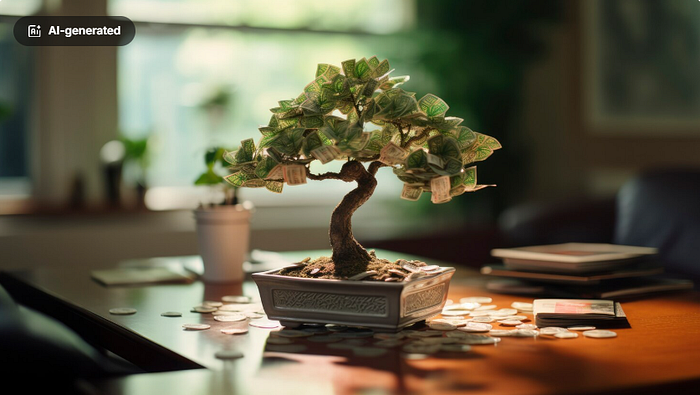
The TRUELY wealthy don’t focus on looking rich
They focus on building assets that generate income. It sounds almost too straightforward, yet it took me decades to fully appreciate just how powerful this mindset is especially now as I transition into my own semi-retirement journey and I help others prepare for theirs.
This is another entry in my Retiree Wisdom series. Today I want to share why this shift in thinking changes everything. Not just your bank balance, but also in your lifestyle, your stress levels, your freedom, and your options in retirement. Let me walk you through what I’ve learned, what I’ve observed, and how this principle guides my own retirement strategy.
Thinking back to my younger self
When I was in my twenties, I used to equate wealth with things I could see. A nicer car. A better holiday. The latest gadgets. A little upgrade here and there that made me feel like I was progressing.
But the older I got, the more I realized that the people who seemed “quietly wealthy” looked very different. They lived simply. Ate at humble places. Wore normal clothes. You wouldn’t guess their net worth from their lifestyle. Yet whenever they spoke, you could feel their calm. Their peace. Their lack of financial anxiety. It came from a foundation they had been building for years, often without fanfare. While the rest of us were chasing lifestyle upgrades, they were accumulating assets that would eventually pay them every month, every quarter, every year .… long after they stopped working.
It didn’t hit me at the time, but now, in my fifties, I finally see it clearly. Wealth is not what you see. It’s what works for you in the background.
And that lesson has changed the way I prepare for retirement.
Wealthy people buy assets, not lifestyle
Here’s the core difference I’ve noticed.
The wealthy don’t buy liabilities to impress others. They’re not chasing the new car every five years or the latest trends to look successful. They’re not burning cash to keep up appearances.
They buy assets that quietly grow or pay them. This could be:
- dividend stocks
- rental properties
- REITs
- business ownership
- royalties
- index funds
- covered-call ETFs
- T-bills and bonds
- side hustles that compound over time
And they don’t rush. They accumulate. Month by month. Year by year. The result? Their assets eventually grow large enough to fund their lifestyle. Not the other way around.
Retirement looks very different when your assets pay you
When I tell friends that my target is to build up my dividend income to USD10,000 per month by 2028, many assume this is about being “rich.”
It’s not.
It’s about being free.
Free to take a one-month trip with my wife to Japan, then come home for two months to enjoy Singapore. Free to do gig work because I want to, not because I have to. Free to teach, share wisdom, and build my Retirement Guru channel because it gives me purpose.
And that freedom comes from assets that pay me reliably, month after month.
This is the same philosophy the wealthy live by. They structure their lives so that money flows into their accounts, not just out. Imagine entering retirement with an income that keeps coming even while you sleep, travel, read, volunteer, spend time with your grandchildren, or explore new hobbies.
That’s the retirement we should all aspire to.
A story I’ll never forget
Years ago, I had a mentor who passed me a piece of advice so simple that I ignored. He said: “Justin, make sure your future self gets paid even when you don’t want to work anymore.”
At the time, I laughed. I was energetic, ambitious, and hungry. Work was my identity. But now, as I grow older, I understand exactly what he meant.
Our energy is not infinite. Our knees will complain. Our recovery slows. Our appetite for stress shrinks. Our priorities shift. We start valuing quiet mornings over frantic meetings. Family over deadlines. Purpose over promotions.
And when that moment comes, the question becomes painfully real …. “Who pays you when you stop working?”
For the wealthy, the answer is simple. Their assets pay them.
For the rest of us, unless we make the shift early, the answer becomes much more uncomfortable.
The difference between “rich” and “wealthy”
There’s a quote I often share during my retirement coaching sessions:
“Rich is having money. Wealthy is having time.”
People who chase a high-salary lifestyle often feel rich, but they’re trapped. The moment their salary stops, their lifestyle collapses. The wealthy, on the other hand, design their life so that their time becomes the asset. They focus on compounding. On patience. On owning income-producing machines.
When your assets cover your expenses, you’re no longer working for money. Money is working for you. That is true wealth.
Why retirees must adopt this mindset quickly
If you’re in your 40s, 50s, or early 60s, it’s not too late. In fact, this is the best time to shift your thinking. Here’s why:
- You don’t have decades to rebuild. You must focus on reliability and income streams, not speculation.
- Every dollar now needs to work harder than you do. This is the time for assets, not liabilities.
- Retirement lasts longer than you think. With lifespans extending into the late 80s or 90s, we’re living through what I call the “40-year retirement era.”
You aren’t preparing for a short break.
You’re preparing for the longest chapter of your life.
What assets should retirees consider?
I never give personalized financial advice, but I can share what I personally focus on. These are assets that fit my risk appetite and retirement goals.
1.Dividend ETFs. Steady. Predictable. Great for cash flow. Funds like QYLD and TSLY (which I track closely) generate regular income.
2.Covered-call strategies. Provides additional yield for stability in retirement.
3.REITs. Especially in markets with strong governance.
4.T-bills and bonds. For stability and predictable returns.
5.Side gigs. My barista course, for example, wasn’t just for fun. It could become a gig one day. Income doesn’t always have to come from investments. Skills compound too.
6.Digital assets and channels. My YouTube channel, my courses, my Medium articles — these are long-term digital assets that can compound in surprising ways.
“The wealthy understand that income can come from many sources. The key is to build them early and let them grow.”
A practical exercise
Every time you spend money, ask: “Is this helping me build assets or maintain liabilities?”
A dinner? Liability.
A holiday? Liability.
A new phone? Liability.
A dividend ETF? Asset.
A REIT? Asset.
A small business? Asset.
A skill you can monetize? Asset.
It’s not that you should never spend on nice things. I still enjoy good trips and the occasional splurge, especially with my wife. Retirement should be joyful.
But the wealthy flip the priority.
Assets first. Rewards after.
The peace that comes from asset-based living
One of the greatest unexpected gifts of building income-generating assets is emotional peace. When you know your monthly expenses are covered by dividends, rental income, and other streams, life feels different. The worries quiet down. Opportunities open up. You stop fearing the future and start designing it.
This peace is worth more than all the branded items in the world.
Closing thought: Your future self is counting on you
If there’s one lesson I want to leave you with, it’s this: “Retirement is not about getting old. It’s about getting ready.”
Ready for freedom.
Ready for purpose.
Ready for a new season of life where time belongs to you again.
The wealthy understand this deeply. They build assets not to boast, but to live calmly and confidently.
We can all adopt the same mindset.
And the best time to start is today.
Follow me for more insights on early retirement, cash-flow living, and designing a life of freedom.


 Users Today : 0
 Users Yesterday : 1
 Users Last 7 days : 2
 Users Last 30 days : 27
 Users This Month : 14
 Users This Year : 361
 Total Users : 362
 Views Today :
  Views Yesterday : 2
 Views Last 7 days : 8
 Views Last 30 days : 55
 Views This Month : 30
 Views This Year : 935
 Total views : 936
 Who's Online : 0